
Serial gateway with the API
-
Hi
I am pretty new to the mysensor project, but I really like it!So I have a few questions regarding my setup. So I have an Raspberry Pi running openhab, to this I am trying to connect 4 arduinos, 3 of them through usb and the last one through voltage converter and serial on GPIO. I am currently making 6 sensor nodes
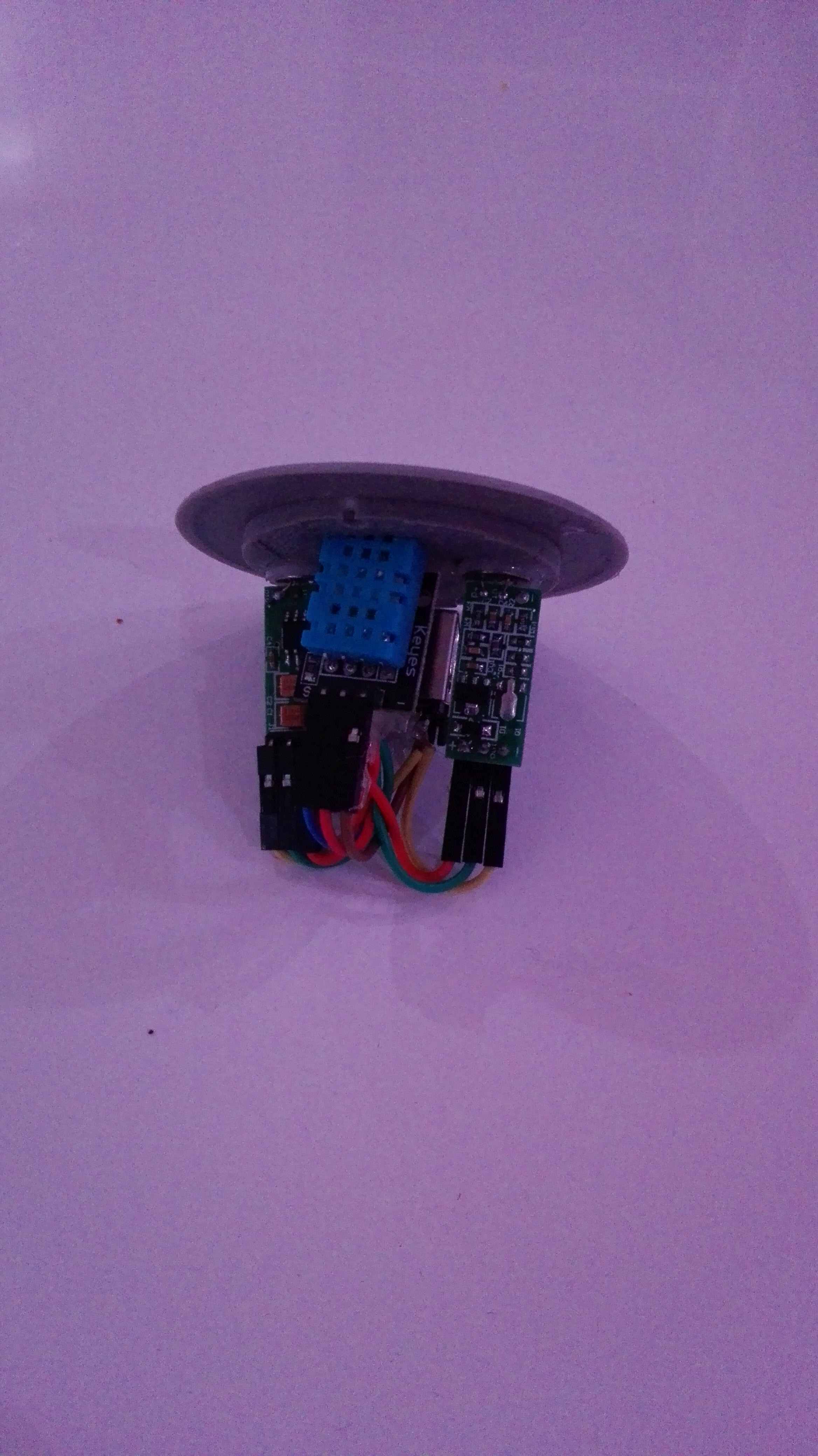
Each nodes has 2 pir sensors, dht22,light sensor, sound sensor, and co2 sensor. Due to the processing load, my idea was to split these sensors over two arduino uno(atmega 328). Is that a good idea? (The problem is that I am trying to detect which of the two pir sensor were triggered first to see if you are going in or out of the room, hence they will get triggered with >50ms interval).
Then i have the serial on GPIO arduino nano(due to the fact it was easier to solder 12m cable to the gpio pins instead of terminating it to the usb.) which reads 4 buttons and controlls 4 solid state relays for my bar.
Then finally I have a arduino controlling several led strips, connected through USB.
So as a start I managed to get the serial gateway to work by just writing serial.print("12,7,1,0,23.6\n") but now I want to expand it to use real sensors and this is when i get stuck.... Do I need to throw away the libraries since these only work with the radio modem, or should i rewrite them to work with the serial connection or how do I proceed? I need to set the baudrate and give them static node ID. Below is my modified code, that does not work..
#include <SPI.h>
#include <MySensor.h>
#include <DHT.h>

#define CHILD_ID_HUM 0
#define CHILD_ID_TEMP 1
#define HUMIDITY_SENSOR_DIGITAL_PIN 11
unsigned long SLEEP_TIME = 1000; // Sleep time between reads (in milliseconds)

MySensor gw;
DHT dht;
float lastTemp;
float lastHum;
boolean metric = true;
MyMessage msgHum(CHILD_ID_HUM, V_HUM);
MyMessage msgTemp(CHILD_ID_TEMP, V_TEMP);


void setup()
{
  gw.begin(NULL,12);
  dht.setup(HUMIDITY_SENSOR_DIGITAL_PIN);

  // Send the Sketch Version Information to the Gateway
  gw.sendSketchInfo("Humidity", "1.0");

  // Register all sensors to gw (they will be created as child devices)
  gw.present(CHILD_ID_HUM, S_HUM);
  gw.present(CHILD_ID_TEMP, S_TEMP);

  metric = gw.getConfig().isMetric;
}

void loop()
{
  delay(dht.getMinimumSamplingPeriod());

  float temperature = dht.getTemperature();
  if (isnan(temperature)) {
      Serial.println("Failed reading temperature from DHT");
  } else if (temperature != lastTemp) {
    lastTemp = temperature;
    if (!metric) {
      temperature = dht.toFahrenheit(temperature);
    }
    gw.send(msgTemp.set(temperature, 1));
    Serial.print("T: ");
    Serial.println(temperature);
  }

  float humidity = dht.getHumidity();
  if (isnan(humidity)) {
      Serial.println("Failed reading humidity from DHT");
  } else if (humidity != lastHum) {
      lastHum = humidity;
      gw.send(msgHum.set(humidity, 1));
      Serial.print("H: ");
      Serial.println(humidity);
  }

  gw.sleep(SLEEP_TIME); //sleep a bit
}
Thanks for any feedback
-
-
@skatun said:
gw.send(msgTemp.set(temperature, 1));
So if I understand you correctly in the development version the method gw.send will then be equal to :
Serial.print(GwId,NodeID,1,0,msgTemp.set(temperature, 1)\n)And in the examples I will then just comment out all the serial.print statements or?
Thanks
-


Hello! It looks like you're interested in this conversation, but you don't have an account yet.
Getting fed up of having to scroll through the same posts each visit? When you register for an account, you'll always come back to exactly where you were before, and choose to be notified of new replies (either via email, or push notification). You'll also be able to save bookmarks and upvote posts to show your appreciation to other community members.
With your input, this post could be even better 💗
Register Login