Skip to content
  • MySensors
  • OpenHardware.io
  • Categories
  • Recent
  • Tags
  • Popular
Skins
  • Light
  • Brite
  • Cerulean
  • Cosmo
  • Flatly
  • Journal
  • Litera
  • Lumen
  • Lux
  • Materia
  • Minty
  • Morph
  • Pulse
  • Sandstone
  • Simplex
  • Sketchy
  • Spacelab
  • United
  • Yeti
  • Zephyr
  • Dark
  • Cyborg
  • Darkly
  • Quartz
  • Slate
  • Solar
  • Superhero
  • Vapor

  • Default (No Skin)
  • No Skin
Collapse
Brand Logo
  1. Home
  2. General Discussion
  3. What did you build today (Pictures) ?

What did you build today (Pictures) ?
Scheduled Pinned Locked Moved General Discussion
1.1k Posts 105 Posters 206.6k Views 98 Watching
  • Oldest to Newest
  • Newest to Oldest
  • Most Votes
Reply
  • Reply as topic
Log in to reply
This topic has been deleted. Only users with topic management privileges can see it.
  • NeverDieN NeverDie

    @ncollins Just wondering: why 4 load cells per sensor instead of only one?

    N Offline
    N Offline
    ncollins
    wrote on last edited by
    #1005

    @NeverDie

    • At 50kg per cell, 4 would allow me to actually turn the bed into a huge scale if I decided to go down that route
    • I don't believe these are intended to support a significant load for extended periods of time, they can permanently deflect. Given they always have the weight of a king size mattress + boxspring, I wanted to distribute that as much as possible
    1 Reply Last reply
    1
    • sundberg84S Offline
      sundberg84S Offline
      sundberg84
      Hardware Contributor
      wrote on last edited by
      #1006

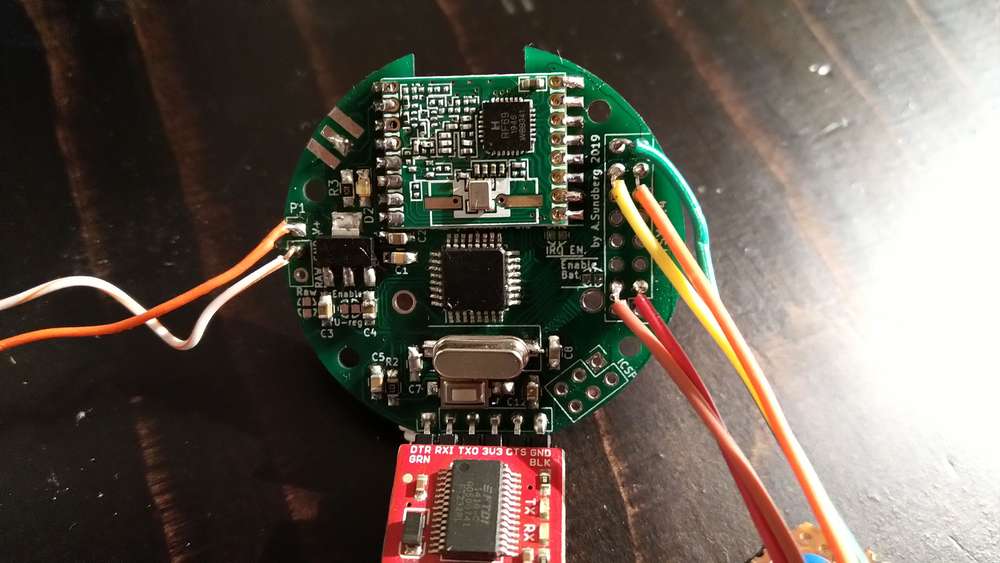
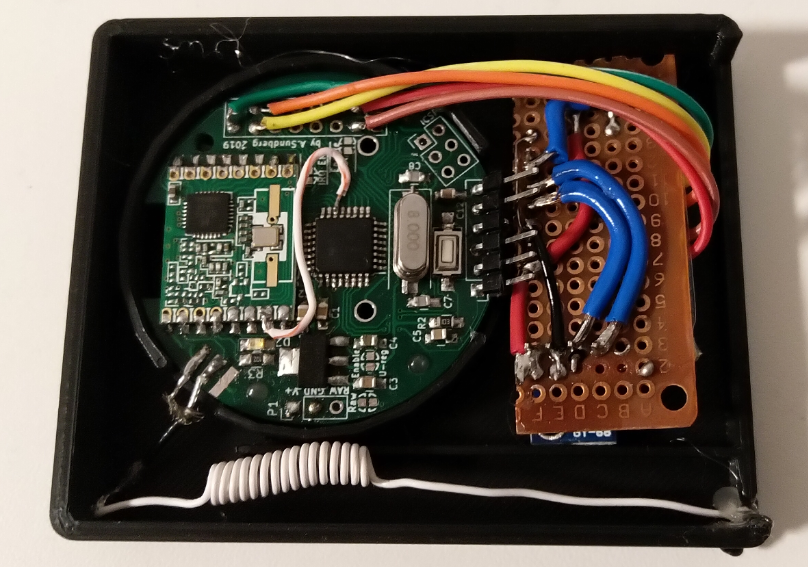
      Current issue: outdoor nodes random stops/disappears - maybe during the time when its high humidity, so trying to try some different approaches i read - this multisensor is getting painted with clear nail polish. Also this PCB is a new board im testing, that Im hoping to be the base for my "final" home automation nodes. Still in dev. but great possibilities!
      75f113be-7ad8-4f12-a9f0-2e237aa57004-image.png

      Controller: Proxmox VM - Home Assistant
      MySensors GW: Arduino Uno - W5100 Ethernet, Gw Shield Nrf24l01+ 2,4Ghz
      MySensors GW: Arduino Uno - Gw Shield RFM69, 433mhz
      RFLink GW - Arduino Mega + RFLink Shield, 433mhz

      NeverDieN 1 Reply Last reply
      0
      • sundberg84S sundberg84

        Current issue: outdoor nodes random stops/disappears - maybe during the time when its high humidity, so trying to try some different approaches i read - this multisensor is getting painted with clear nail polish. Also this PCB is a new board im testing, that Im hoping to be the base for my "final" home automation nodes. Still in dev. but great possibilities!

        75f113be-7ad8-4f12-a9f0-2e237aa57004-image.png

        NeverDieN Offline
        NeverDieN Offline
        NeverDie
        Hero Member
        wrote on last edited by
        #1007

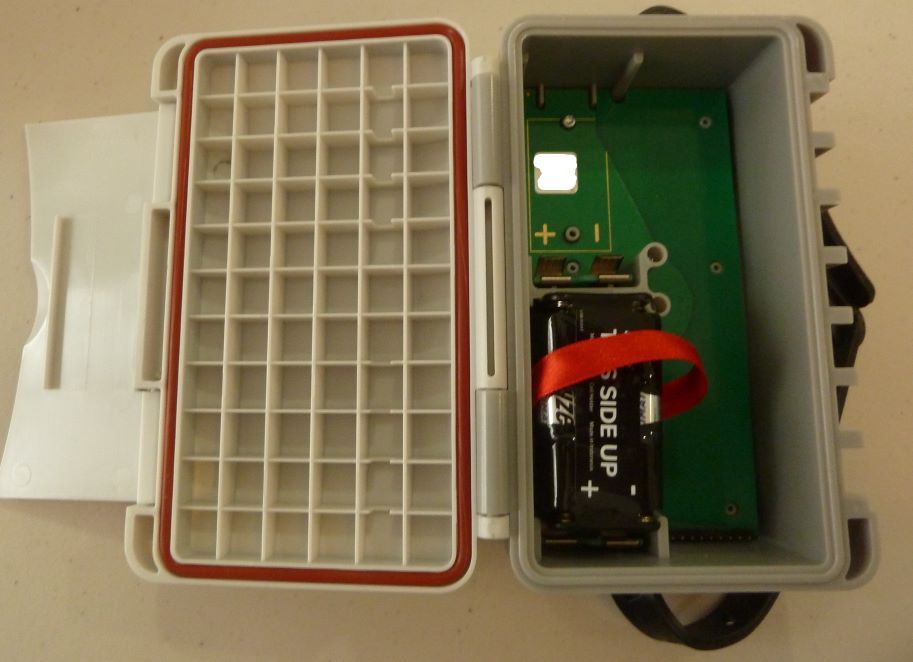
        @sundberg84 Gaskets that are held under tight compression seem to work well at holding out moisture. I've seen a number of commercial products that rely on that and only that for in-ground radio sensors.

        NeverDieN 1 Reply Last reply
        0
        • NeverDieN NeverDie

          @sundberg84 Gaskets that are held under tight compression seem to work well at holding out moisture. I've seen a number of commercial products that rely on that and only that for in-ground radio sensors.

          NeverDieN Offline
          NeverDieN Offline
          NeverDie
          Hero Member
          wrote on last edited by
          #1008

          Here's an example from the new Flume (version 2) water meter monitor:
          gasket_waterproof.jpg
          It gets strapped to your water meter, typically in the ground. All it has is one gasket to seal out everything. This particular box just snaps closed. No screws! Quite a difference from Version 1, which also used a gasket, but had 12 screws holding it snug.

          1 Reply Last reply
          1
          • sundberg84S sundberg84

            IMG_20201026_090317.jpg

            Today im testing and outdoor node in a new PCB, but I had mixed csk and ce on the radio (it's a dual radio PCB).

            T Offline
            T Offline
            tssk
            wrote on last edited by tssk
            #1009

            @sundberg84 Really like the shape and look of the PCB! I hope I can achieve similar result for my room sensor.

            1 Reply Last reply
            0
            • berkseoB Offline
              berkseoB Offline
              berkseo
              wrote on last edited by berkseo
              #1010

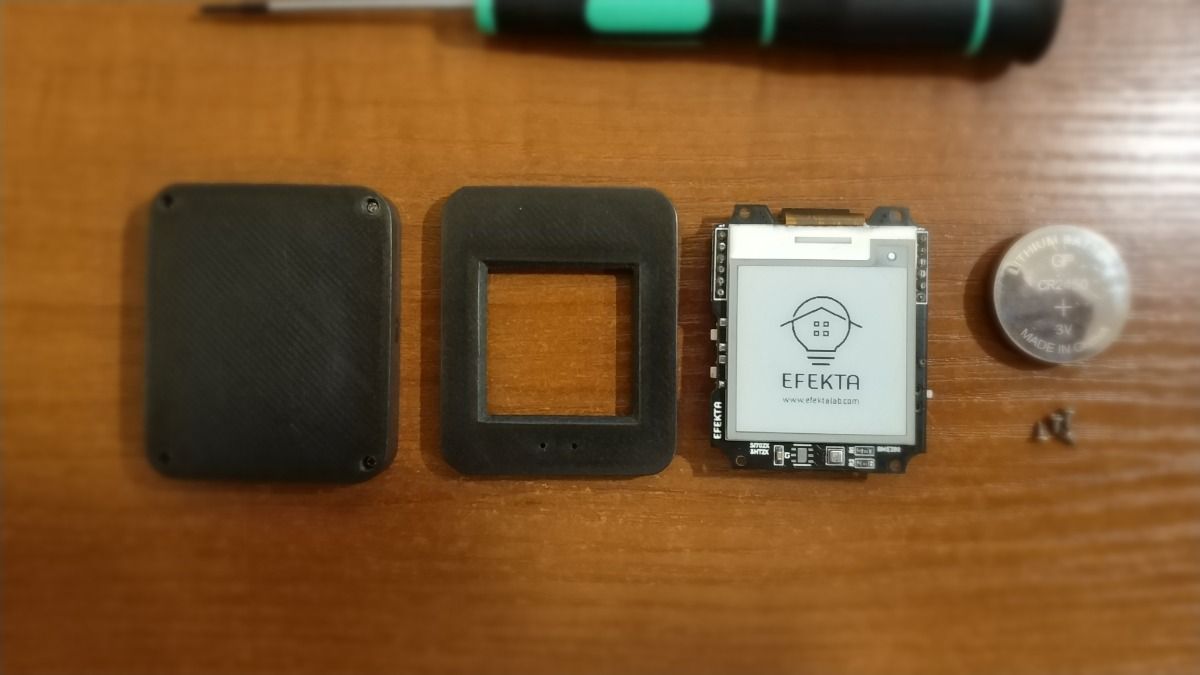
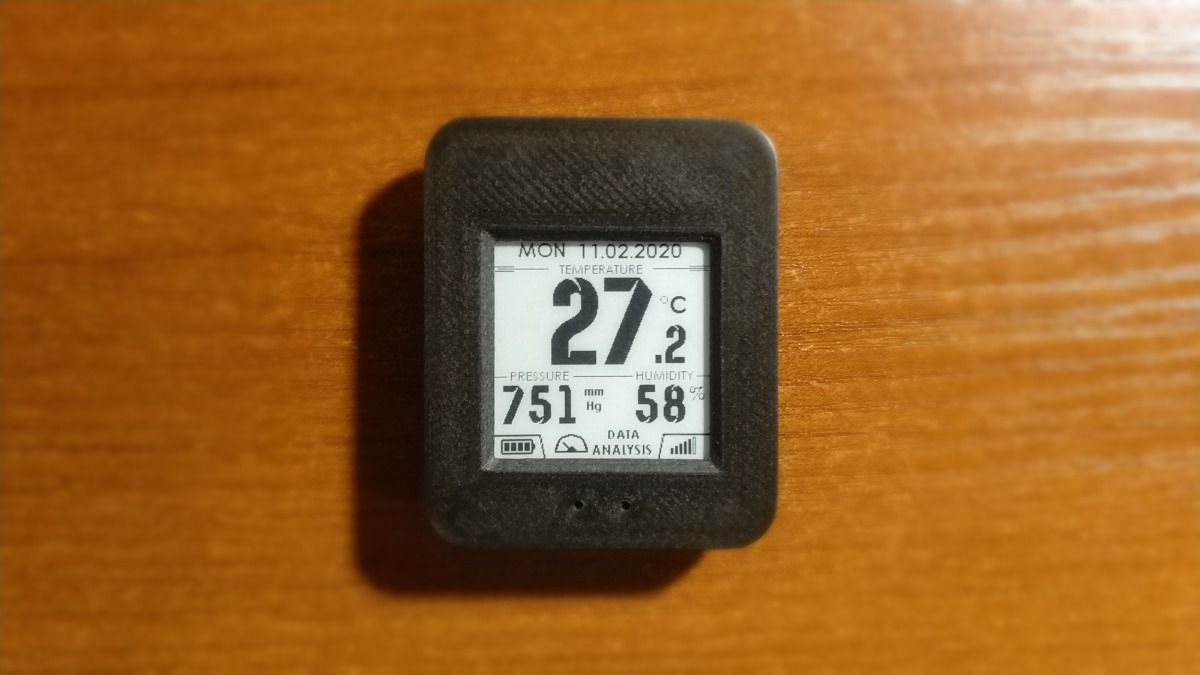
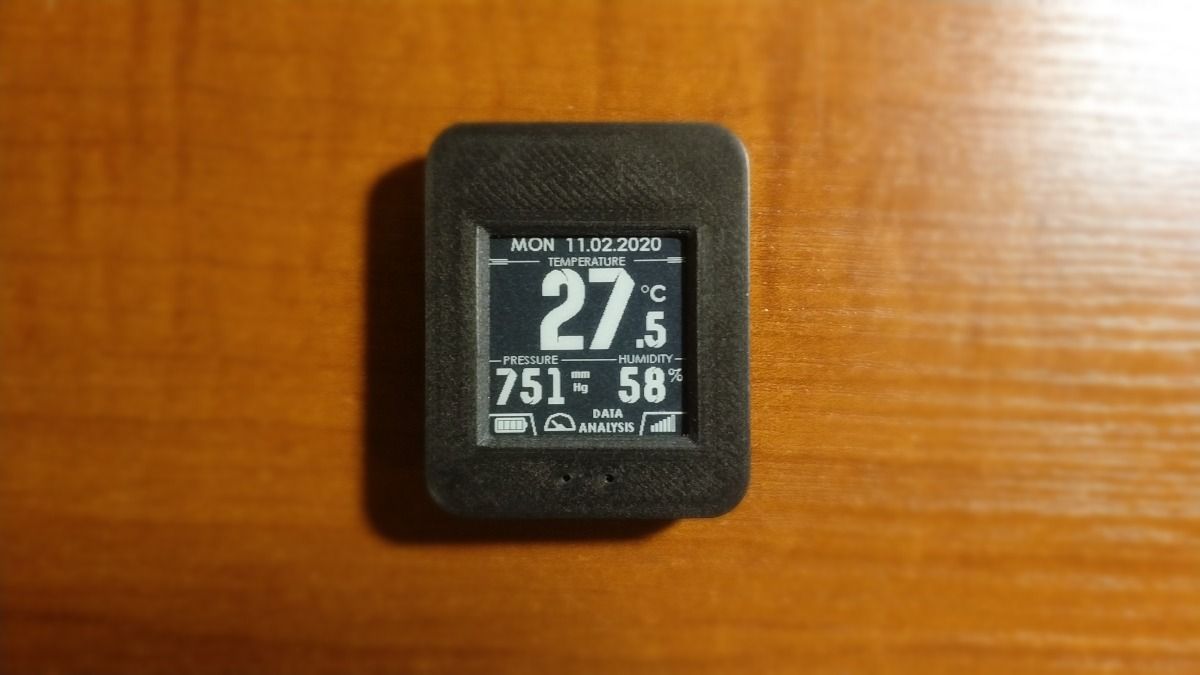
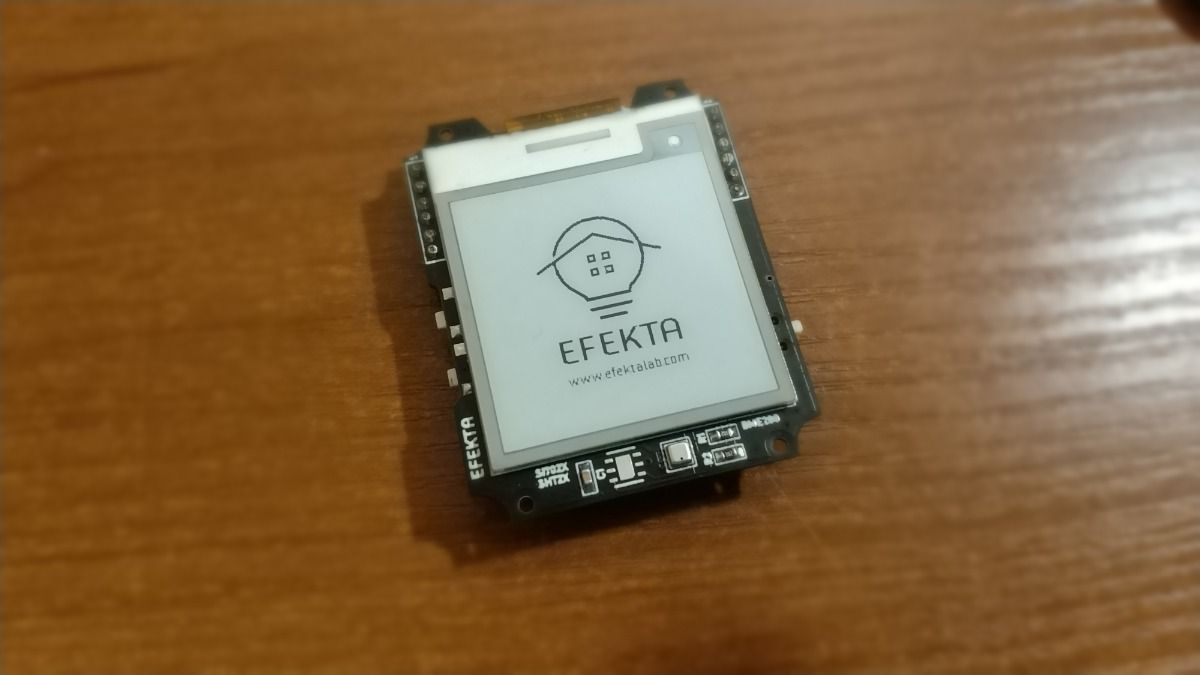
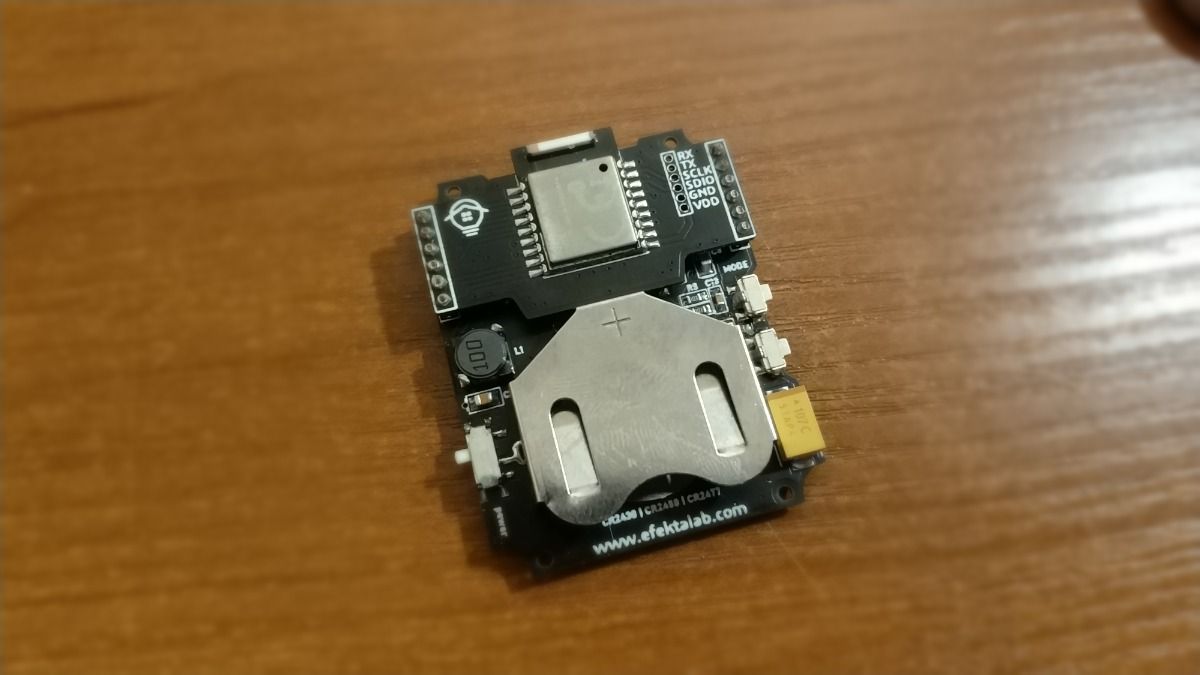
              And another of my completed projects is a mini weather station running on nRF52832 and nRF52840, you can install bme280 or si7021, htu21d. Powered by a single cr2450 battery. As always soon to be on openhardware.io

              Video: https://youtu.be/HNjYtKyh8zo
              IMG_20201101_232645 (1).jpg

              2.jpg

              3.jpg

              IMG_20201102_015541 (1) (1).jpg

              IMG_20201102_015659 (1) (1).jpg

              NeverDieN 1 Reply Last reply
              4
              • berkseoB berkseo

                And another of my completed projects is a mini weather station running on nRF52832 and nRF52840, you can install bme280 or si7021, htu21d. Powered by a single cr2450 battery. As always soon to be on openhardware.io

                Video: https://youtu.be/HNjYtKyh8zo
                IMG_20201101_232645 (1).jpg

                2.jpg

                3.jpg

                IMG_20201102_015541 (1) (1).jpg

                IMG_20201102_015659 (1) (1).jpg

                NeverDieN Offline
                NeverDieN Offline
                NeverDie
                Hero Member
                wrote on last edited by
                #1011

                @berkseo By calling it a mini weather station now you'll need to add an anemometer and rain gauge... :-)

                berkseoB 1 Reply Last reply
                0
                • NeverDieN NeverDie

                  @berkseo By calling it a mini weather station now you'll need to add an anemometer and rain gauge... :-)

                  berkseoB Offline
                  berkseoB Offline
                  berkseo
                  wrote on last edited by berkseo
                  #1012

                  @NeverDie Sorry, I didn't know there were rules like that now :), then it would just be a temperature, humidity and pressure gauge with weather forecasting, okay?

                  1 Reply Last reply
                  1
                  • franz-unixF Offline
                    franz-unixF Offline
                    franz-unix
                    wrote on last edited by
                    #1013

                    Hi guys,

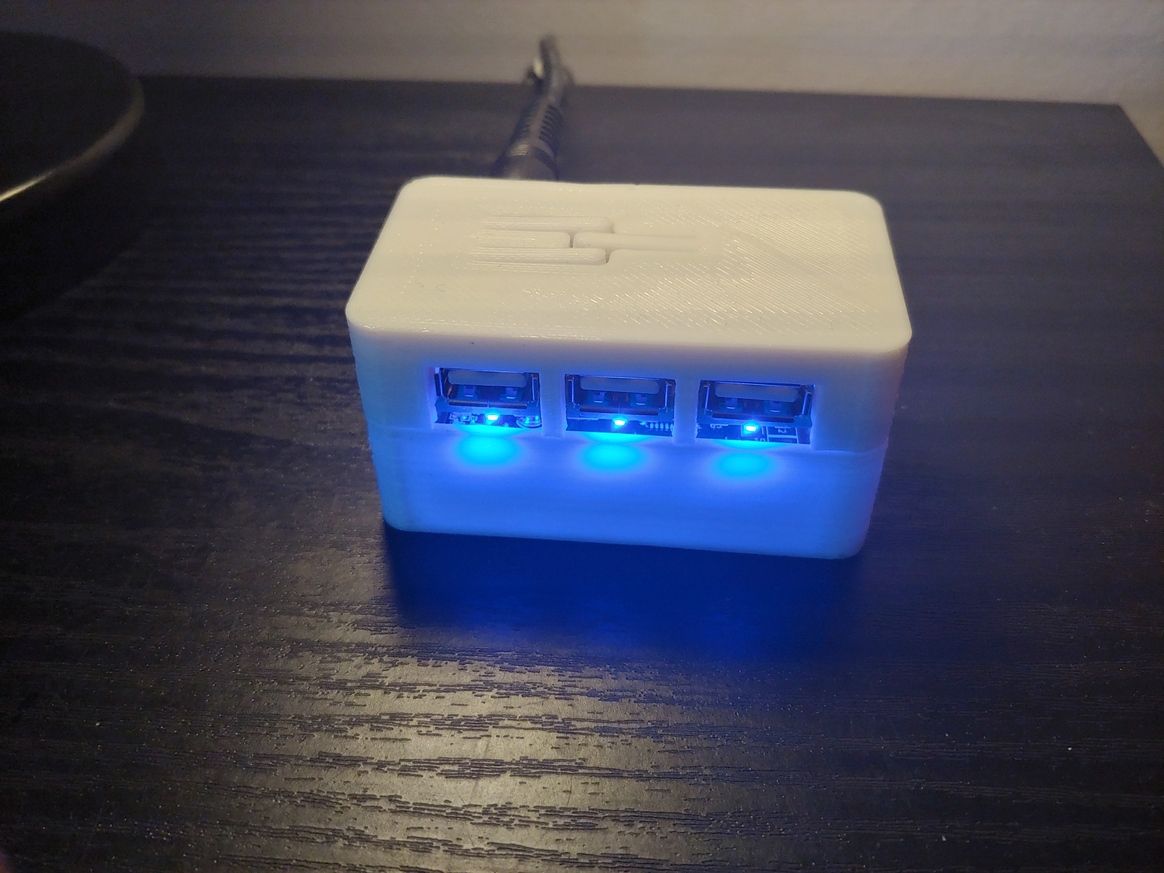
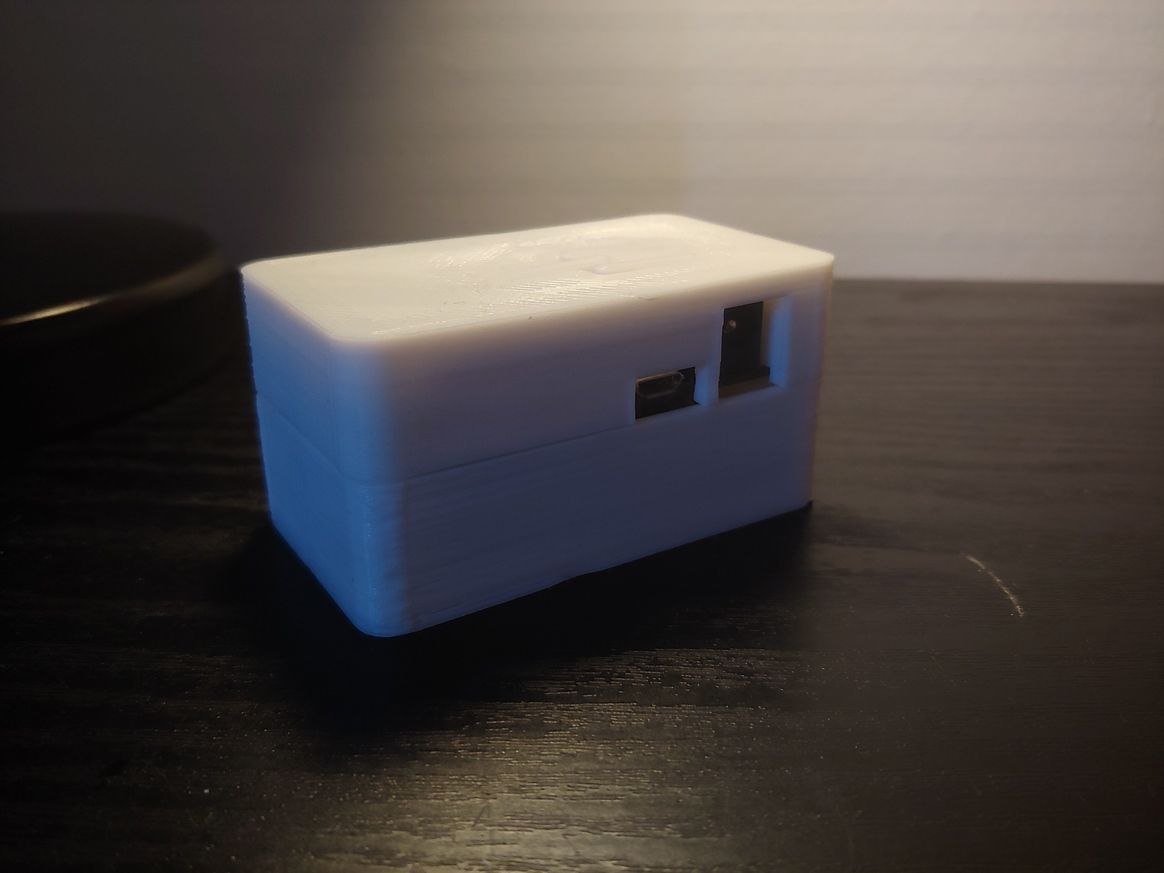
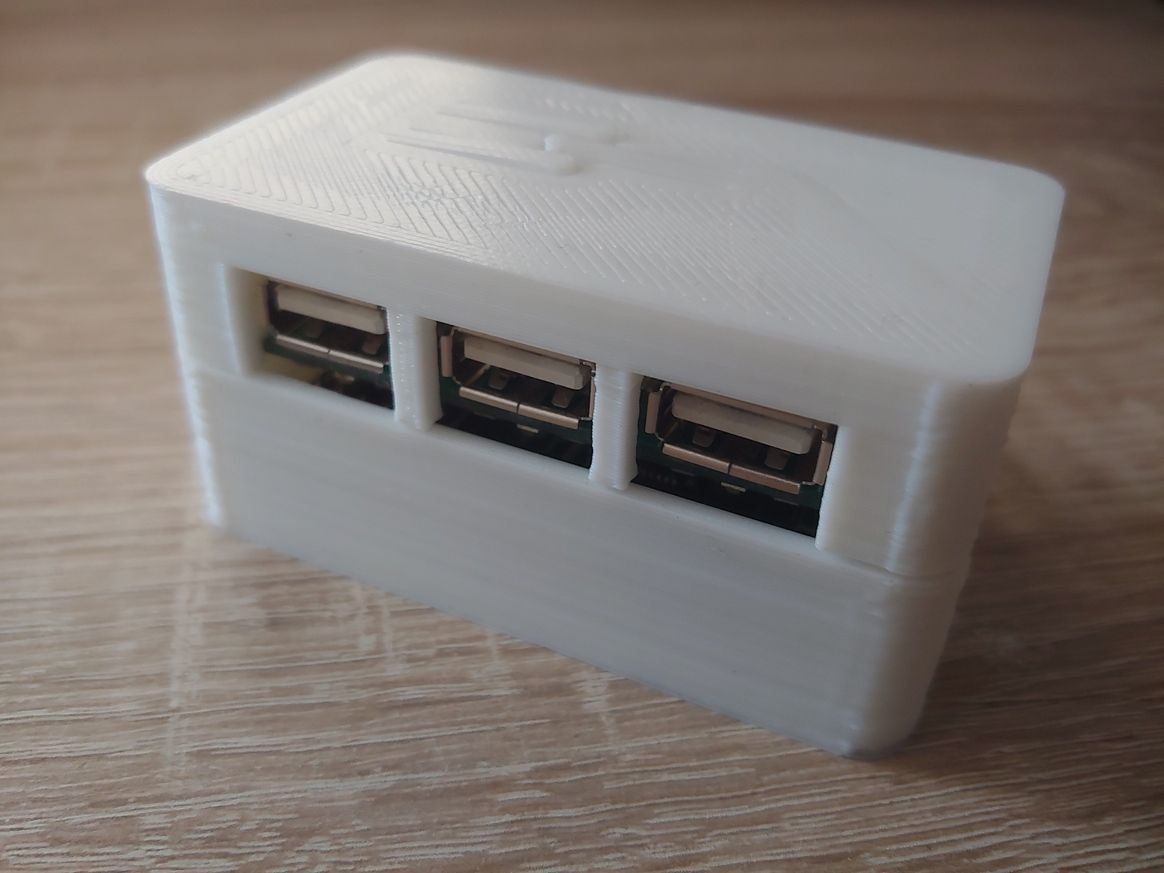
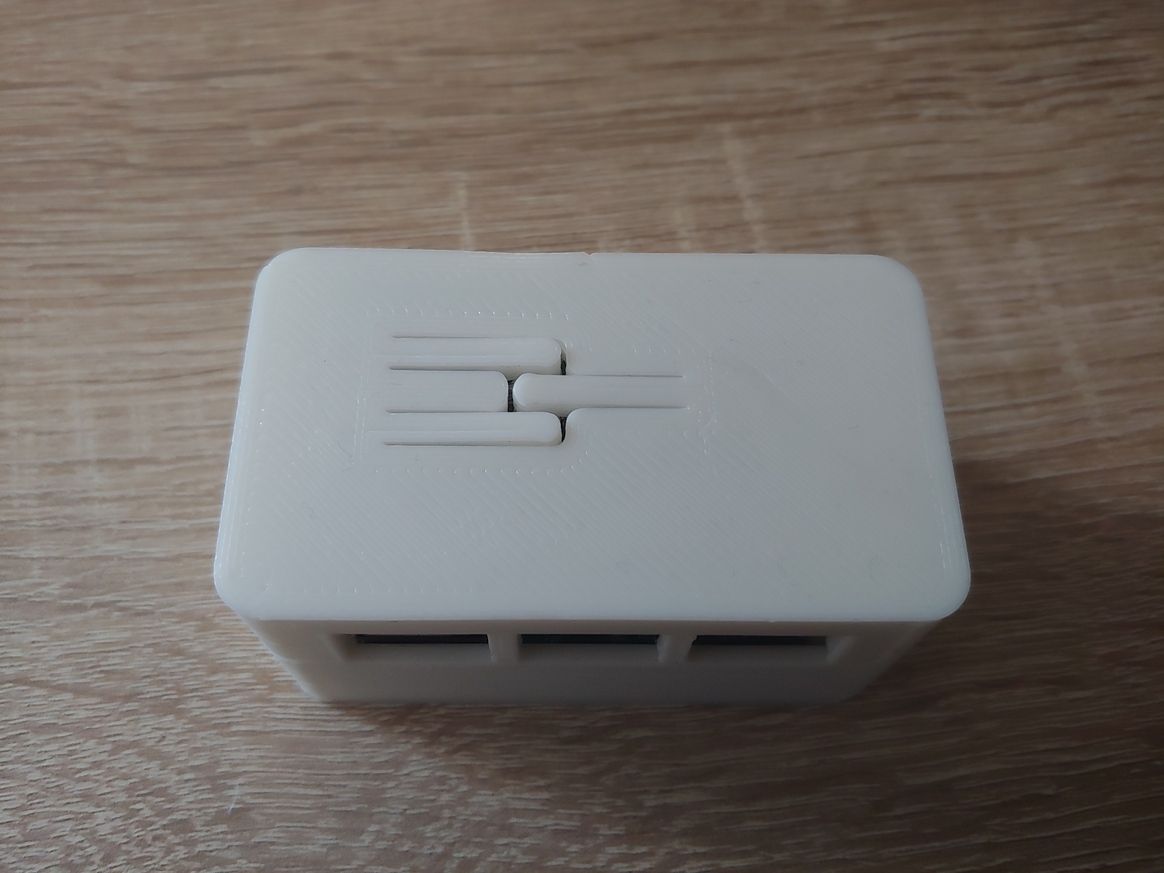
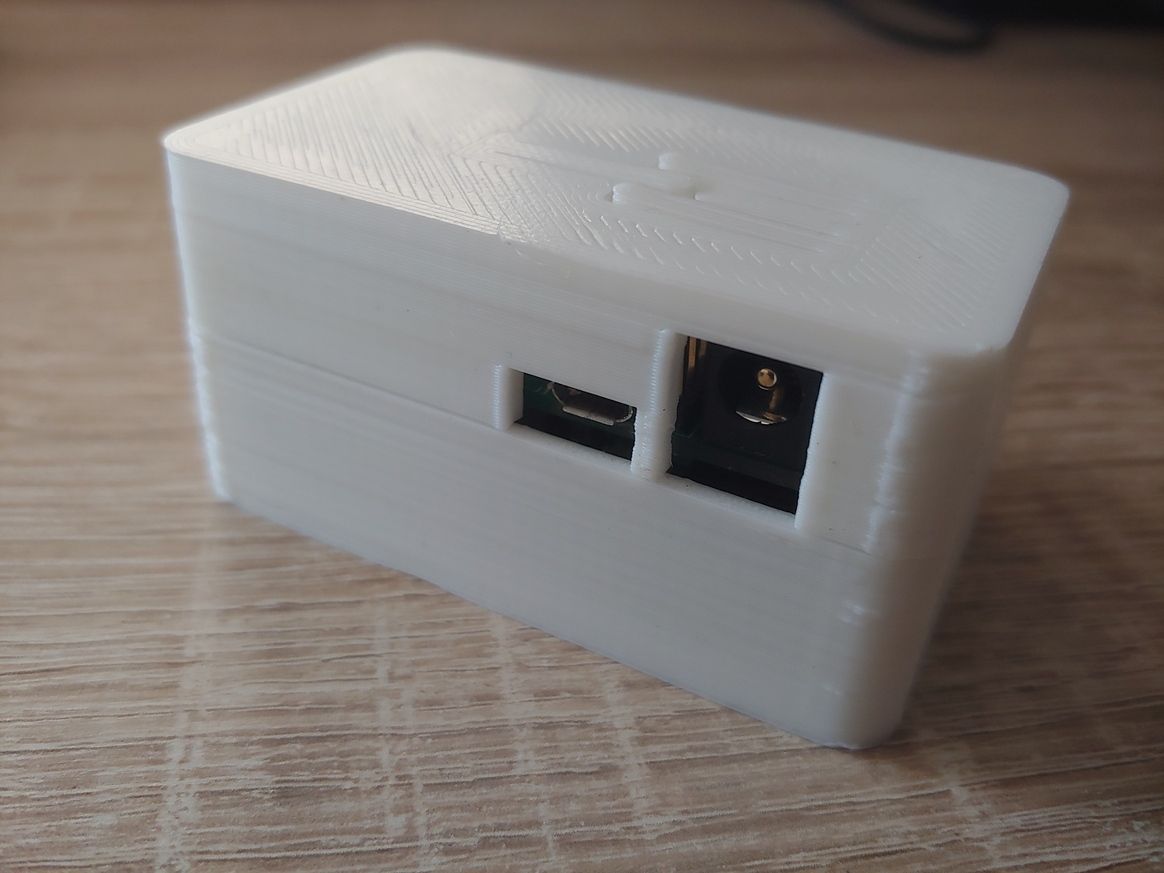
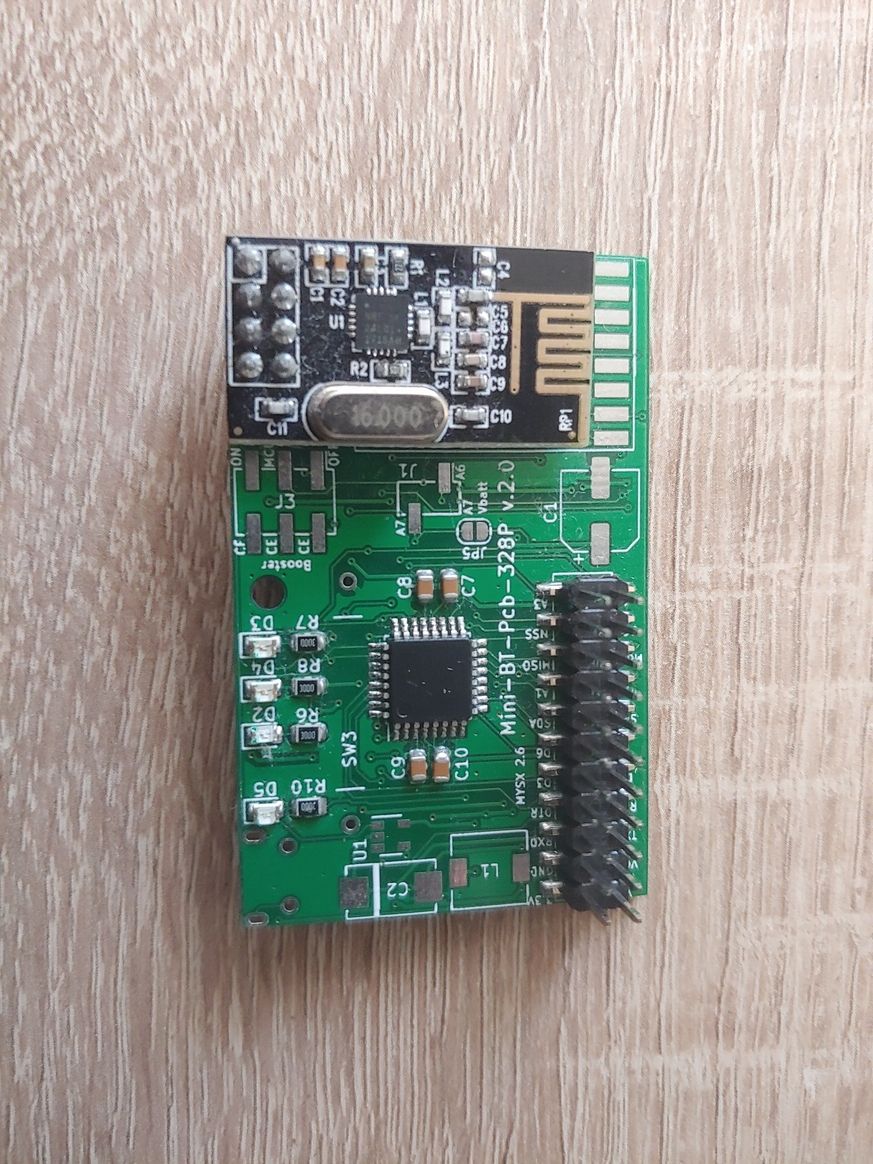
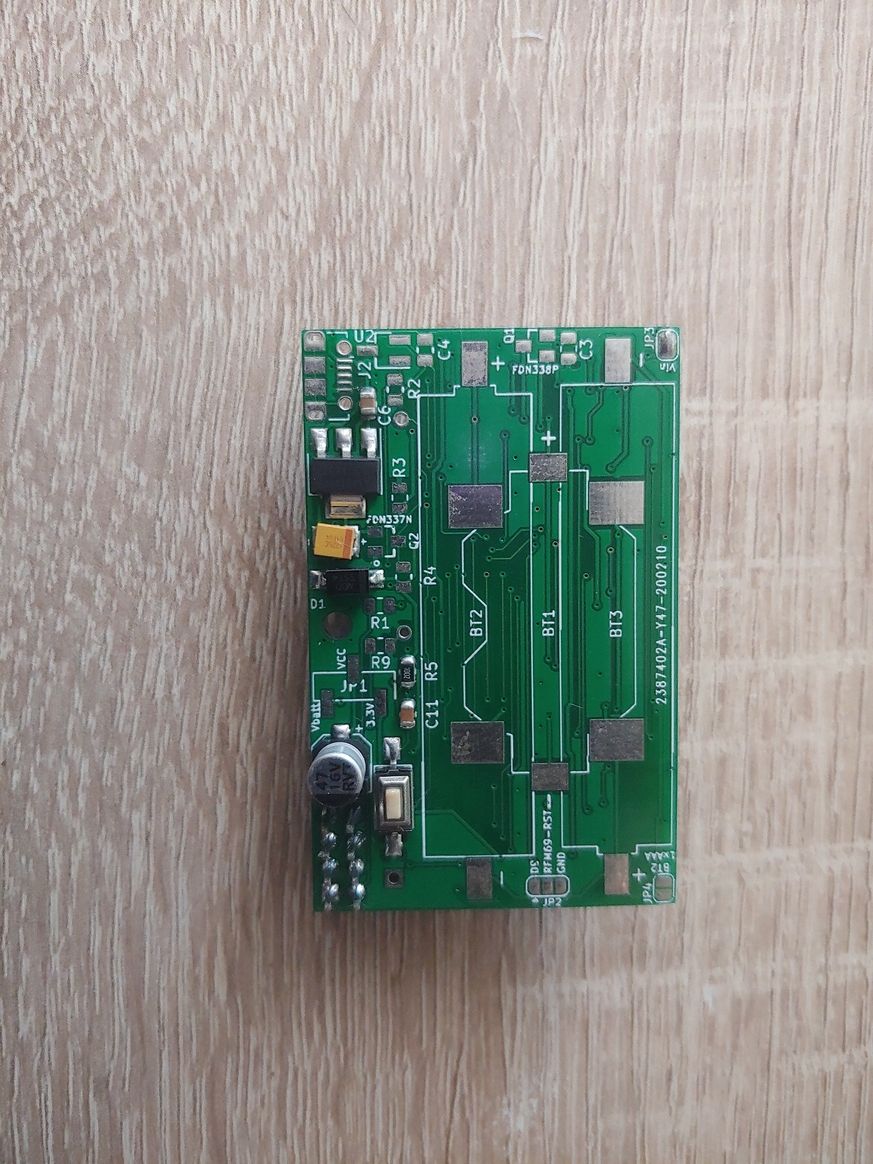
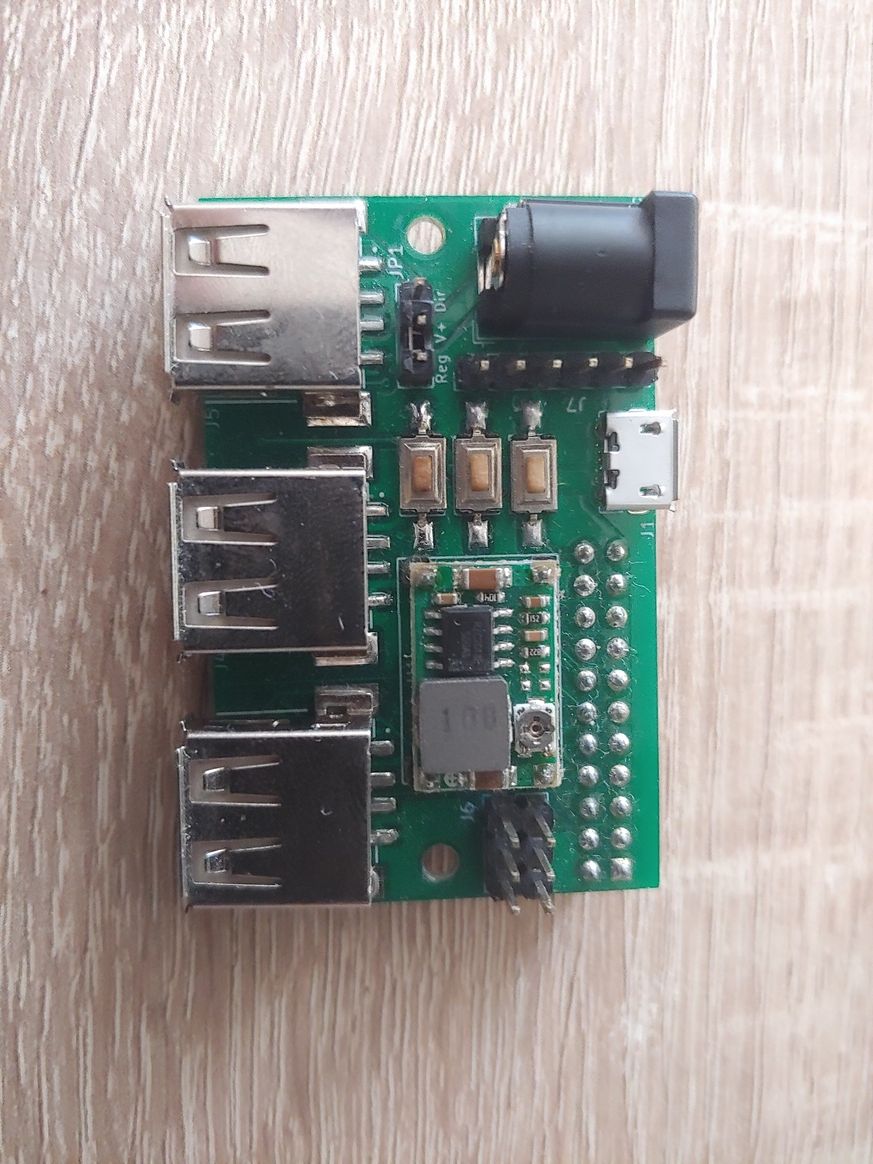
                    this is my last node. A 3d printable smart USB power hub.
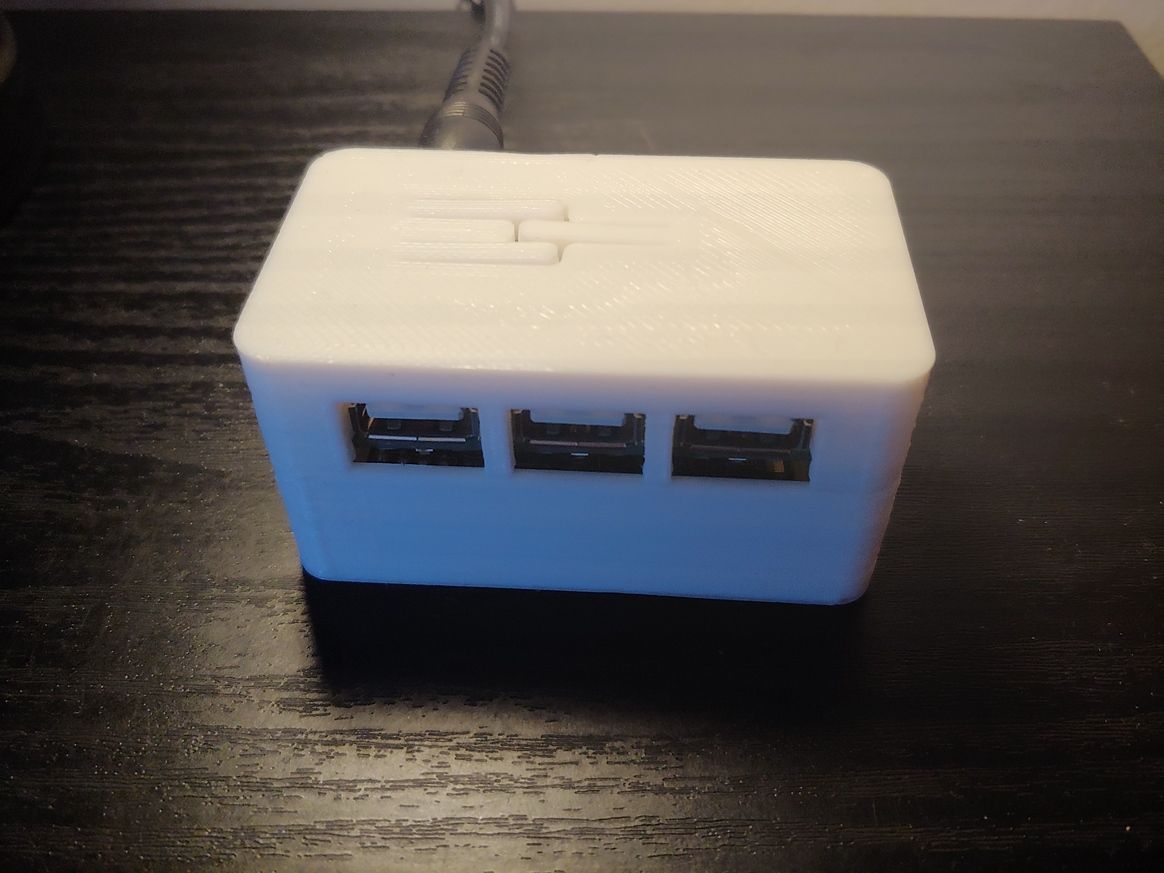
                    20201107_112237_HDR.jpg 20201107_112249_HDR.jpg 20201107_112323.jpg 20201107_113033.jpg 20201107_113043.jpg 20201107_113053.jpg 20201107_140802.jpg 20201107_140813.jpg 20201107_141854.jpg 20201107_141907.jpg 20201107_143615.jpg 20201107_143645.jpg 20201107_144222.jpg

                    If someone is interested, here all the details.

                    1 Reply Last reply
                    4
                    • nagelcN Offline
                      nagelcN Offline
                      nagelc
                      wrote on last edited by
                      #1014

                      I am testing a node with a DigiPyro, PYD 1598 motion detector. It is advertised to be low power and runs from 1.8 to 3.6 volts, so should run well with a coin cell. They have to be programmed with several options and I have not found a lot of documentation. I went with what seemed like the most sensitive choices and it seems to work so far. More research needed . ...
                      https://www.excelitas.com/product/pyd-1588-pyd-1598-low-power-digipyros

                      I bought a couple of these from DigiKey for around $4 each. Now they are more than $12 each and there is no stock. So, these may not be as good a choice as they seemed at first. We'll see . ...
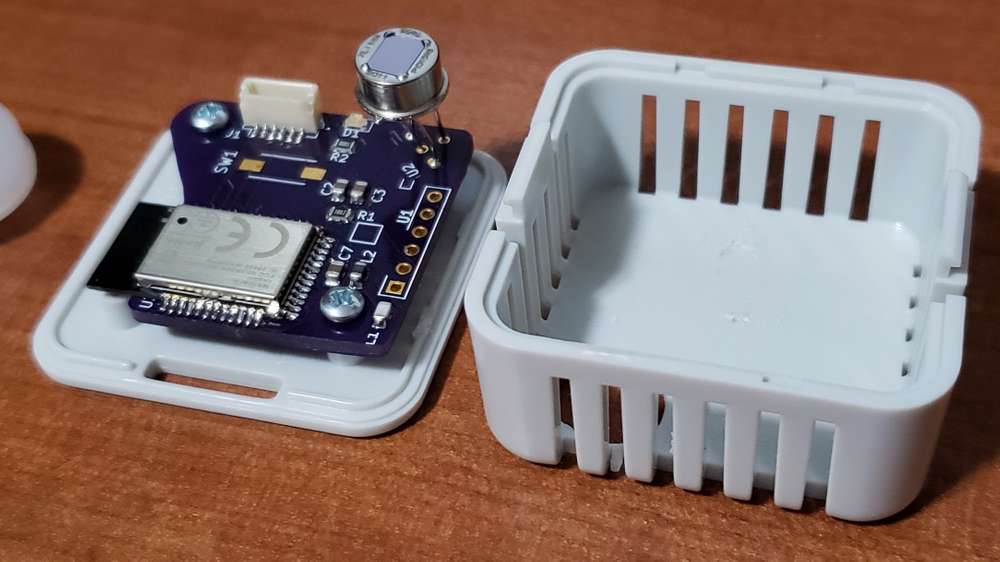
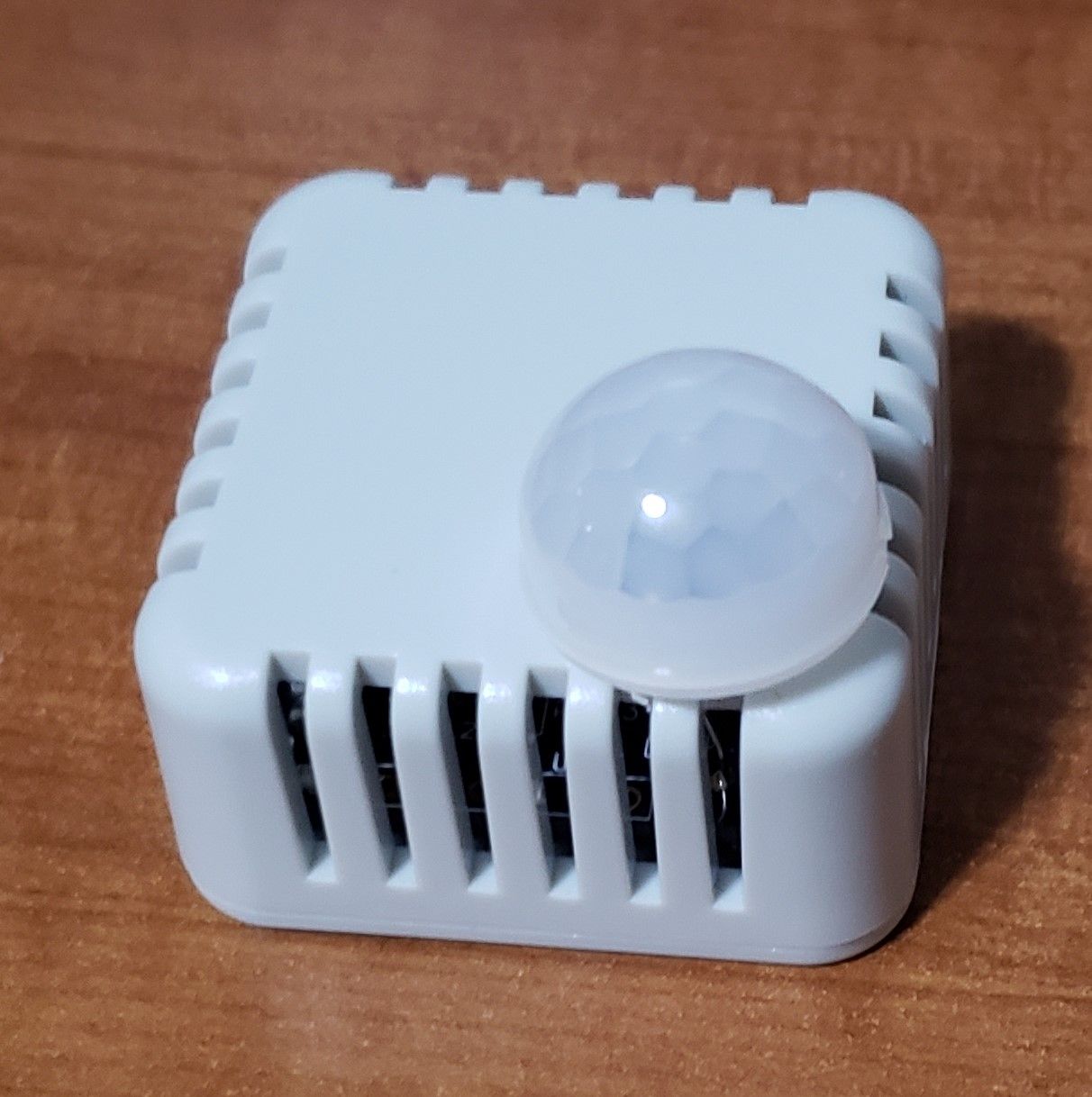
                      20201128_190045.jpg
                      20201128_190153.jpg

                      nagelcN 1 Reply Last reply
                      4
                      • JoeridemanJ Offline
                        JoeridemanJ Offline
                        Joerideman
                        wrote on last edited by
                        #1015

                        The milling topic got my interest and I have been working on getting a machine for myself.
                        So far I have just assembled the machine and realised milling is a bit more difficult to start then 3d printing.
                        anyway, I would like to share my progress. I am building video's now :)

                        No circuitsboards yet, but here is a introduction of my way to victory.

                        https://www.youtube.com/watch?v=45tTuHpgH1c&feature=youtu.be

                        1 Reply Last reply
                        3
                        • BearWithBeardB Offline
                          BearWithBeardB Offline
                          BearWithBeard
                          wrote on last edited by BearWithBeard
                          #1016

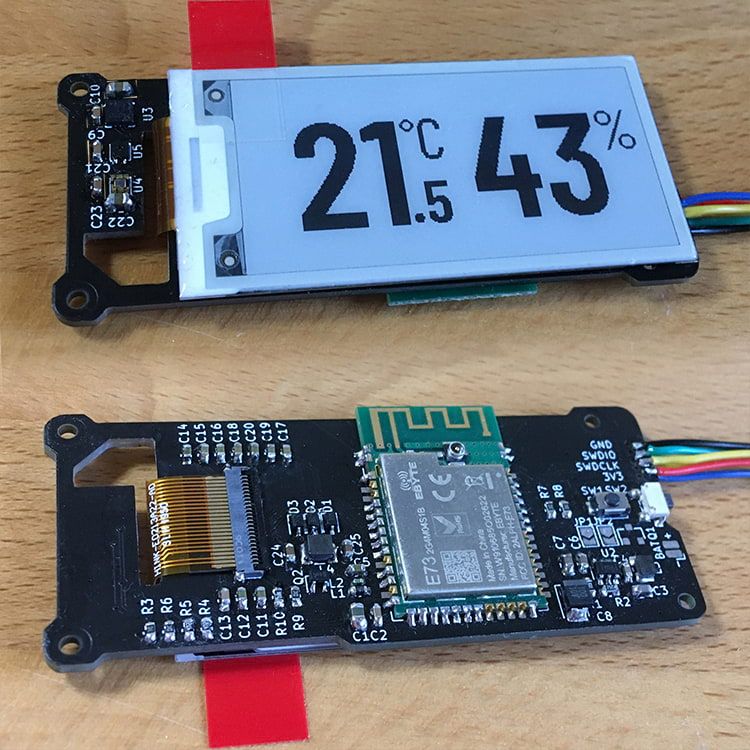
                          Winter time is tinker time!

                          mysensors-epd-node-clean.jpg

                          This is a compact environmental sensor node with an E-Paper display. My goal was to have a decent screen-to-body ratio with a simple and minimalistic display, easy to read from a distance. It is the first design in which I did not use an ATmega MCU. It is also the first time that I used KiCAD instead of EAGLE, soldered no-lead SMD components and worked with an EPD.

                          • It features a SHTC3 sensor to measure temperature and relative humidity and a VEML6030 to measure the ambient light, so that I can toggle lights or other appliances in the room based on temperature, humidity or light conditions.
                          • I have also added a MEMS sensor (LIS3DH) to auto-detect the device orientation and rotate the EPD image accordingly and / or detect tap events to toggle between different display modes / data sets.
                          • It can be powered directly from a 3V source or use the optional 3.3V boost circuit which accepts 1.5V or 3V sources.

                          I finished soldering and testing all the components today and just started programming the rough "framework". Looks promising so far! But still lots to do, including finalizing the 3D printed enclosure. This is how it is supposed to look in the end:
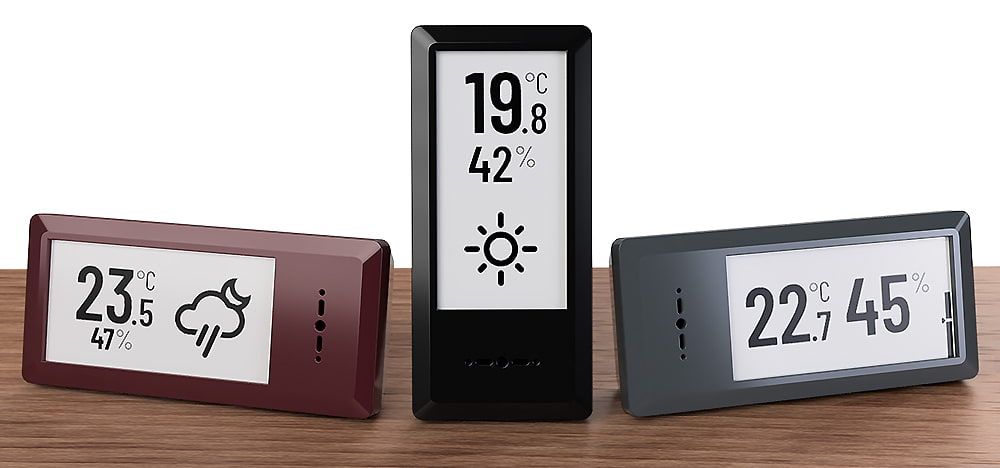
                          mysensors-epd-node-render2.jpg

                          berkseoB skywatchS 2 Replies Last reply
                          10
                          • berkseoB Offline
                            berkseoB Offline
                            berkseo
                            wrote on last edited by berkseo
                            #1017

                            Hi guys. I recently made a plant watering control sensor with an electronic paper display. Today I did my first tests, ..everything went well :)
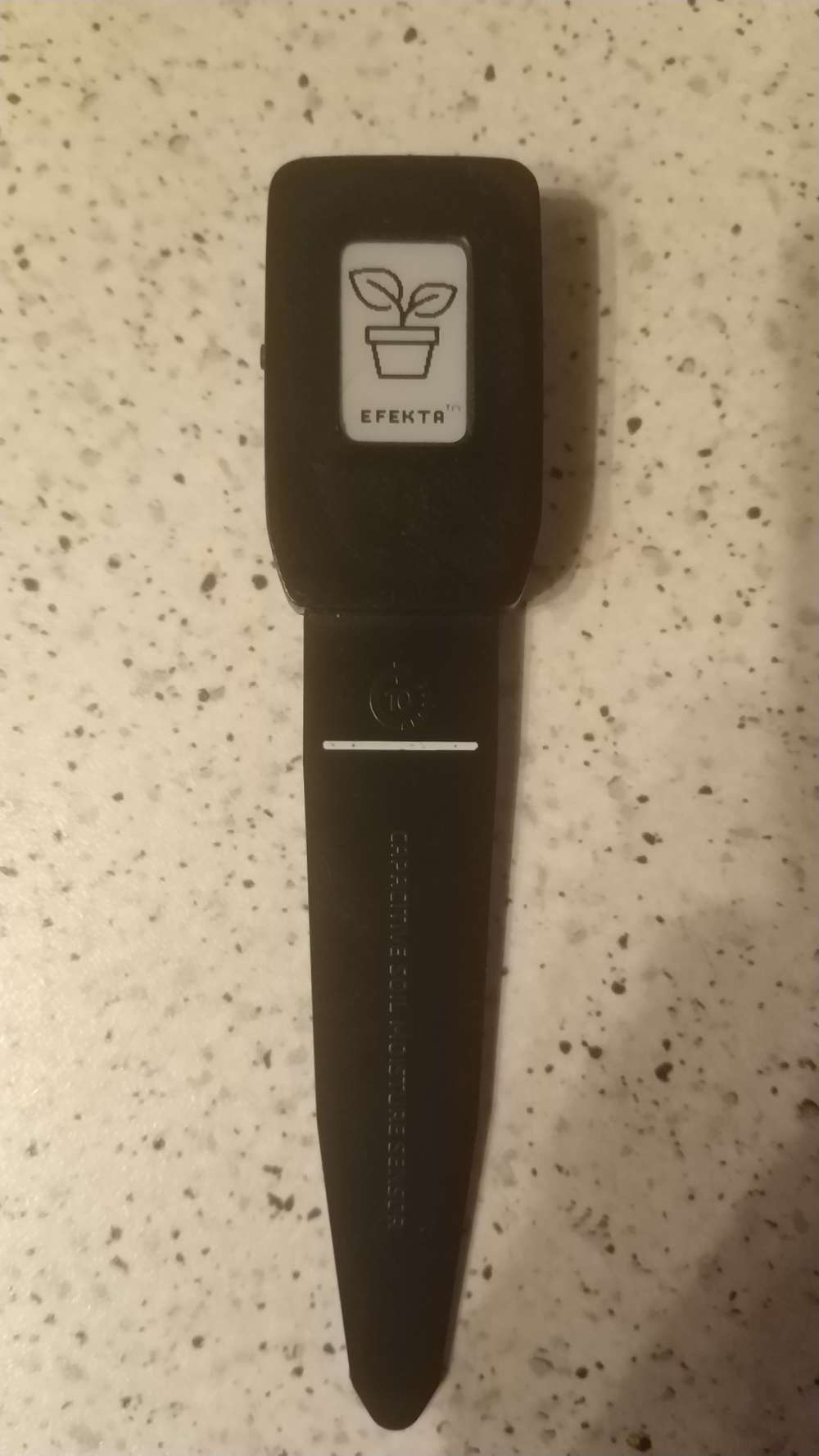
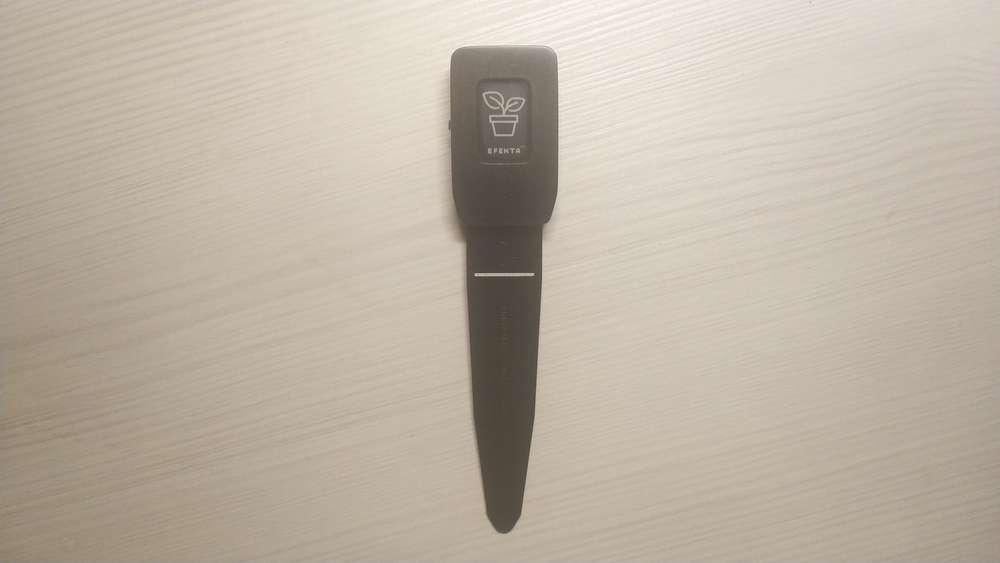
                            IMG_20210112_155819.jpg

                            IMG_20210112_180536.jpg

                            https://youtu.be/0dnzQiRZj7M

                            1 Reply Last reply
                            3
                            • BearWithBeardB BearWithBeard

                              Winter time is tinker time!

                              mysensors-epd-node-clean.jpg

                              This is a compact environmental sensor node with an E-Paper display. My goal was to have a decent screen-to-body ratio with a simple and minimalistic display, easy to read from a distance. It is the first design in which I did not use an ATmega MCU. It is also the first time that I used KiCAD instead of EAGLE, soldered no-lead SMD components and worked with an EPD.

                              • It features a SHTC3 sensor to measure temperature and relative humidity and a VEML6030 to measure the ambient light, so that I can toggle lights or other appliances in the room based on temperature, humidity or light conditions.
                              • I have also added a MEMS sensor (LIS3DH) to auto-detect the device orientation and rotate the EPD image accordingly and / or detect tap events to toggle between different display modes / data sets.
                              • It can be powered directly from a 3V source or use the optional 3.3V boost circuit which accepts 1.5V or 3V sources.

                              I finished soldering and testing all the components today and just started programming the rough "framework". Looks promising so far! But still lots to do, including finalizing the 3D printed enclosure. This is how it is supposed to look in the end:

                              mysensors-epd-node-render2.jpg

                              berkseoB Offline
                              berkseoB Offline
                              berkseo
                              wrote on last edited by
                              #1018

                              @BearWithBeard said in What did you build today (Pictures) ?:

                              VEML6030

                              Take a closer look at the max44009 light sensor and the lis2dw12 accelerometer. You can save a few microamps.

                              1 Reply Last reply
                              1
                              • N Offline
                                N Offline
                                ncollins
                                wrote on last edited by
                                #1019

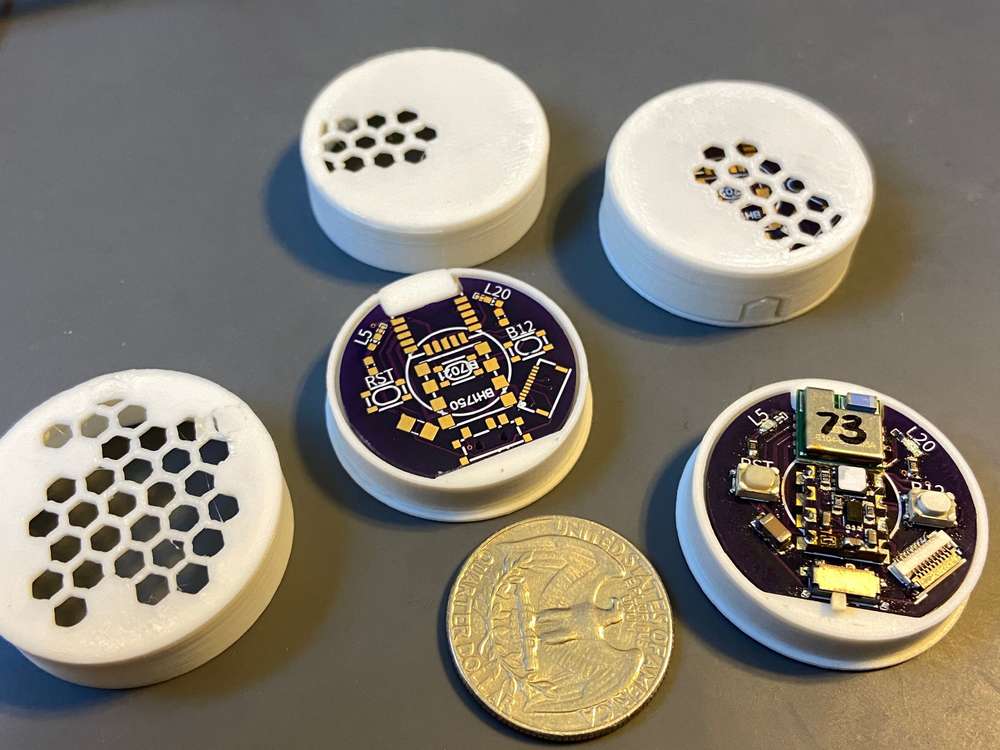
                                First attempt at a modular NRF52805 based board. The smaller board has a Si7021 temp + humidity sensor and a BH1750 light level sensor, both I2C. Ideally, I should be-able to make other sensor boards with the same footprint as long as the sensors are I2C.

                                Also included:

                                • CR2032 Battery (~1.5 years between battery changes)
                                • 10P 0.5 FPC connector for programming and serial debugging
                                • 2 LEDs with solderable jumpers
                                • On/Off switch (I find this really useful, especially when fighting with coin batteries)
                                • RST button
                                • Secondary button that I use to force immediate readings
                                • Footprint for centered button for alternative use as a remote button (my most common MySensors node)
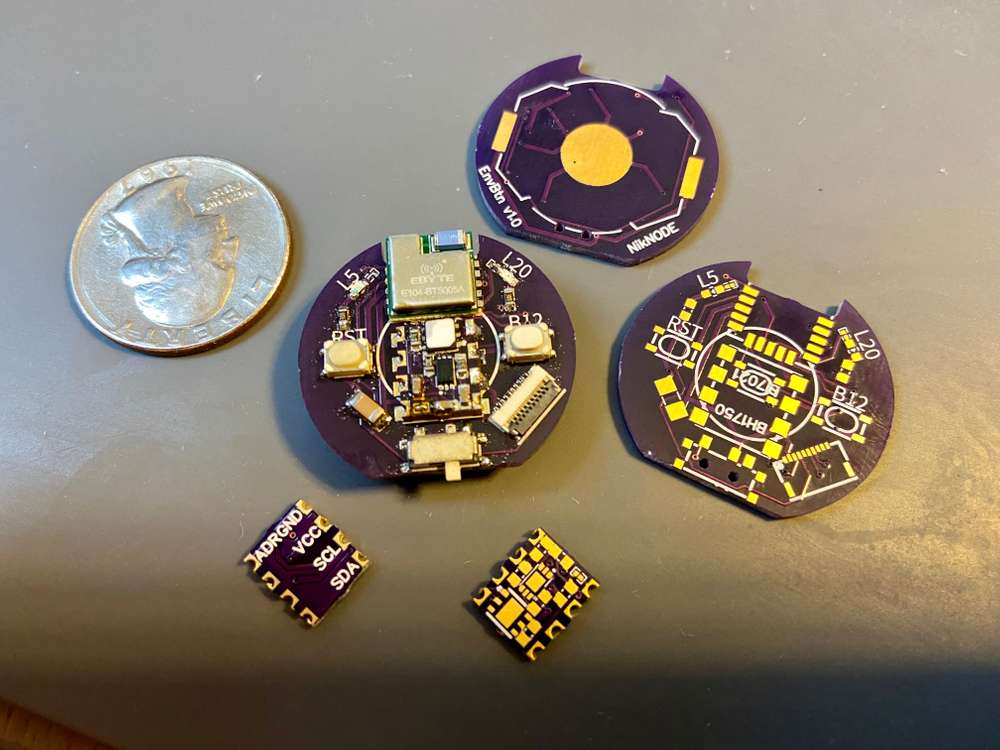
                                IMG_1323.jpg

                                I'll post pictures of the enclosure when it's ready.

                                I'm also waiting on delivery of a slightly larger version of this board that holds a 2477 battery and a SMD PIR motion sensor.

                                berkseoB NeverDieN 2 Replies Last reply
                                4
                                • N ncollins

                                  First attempt at a modular NRF52805 based board. The smaller board has a Si7021 temp + humidity sensor and a BH1750 light level sensor, both I2C. Ideally, I should be-able to make other sensor boards with the same footprint as long as the sensors are I2C.

                                  Also included:

                                  • CR2032 Battery (~1.5 years between battery changes)
                                  • 10P 0.5 FPC connector for programming and serial debugging
                                  • 2 LEDs with solderable jumpers
                                  • On/Off switch (I find this really useful, especially when fighting with coin batteries)
                                  • RST button
                                  • Secondary button that I use to force immediate readings
                                  • Footprint for centered button for alternative use as a remote button (my most common MySensors node)

                                  IMG_1323.jpg

                                  I'll post pictures of the enclosure when it's ready.

                                  I'm also waiting on delivery of a slightly larger version of this board that holds a 2477 battery and a SMD PIR motion sensor.

                                  berkseoB Offline
                                  berkseoB Offline
                                  berkseo
                                  wrote on last edited by
                                  #1020

                                  @ncollins
                                  Very, very beautiful project! I also already have several such radio modules from different manufacturers. Here are just these ebyte specifically, they are without dc-dc. ...I plan to transfer support from nordic sdk to sandeep mistry (just like I did with 52810 and 52811), but how do you flash them under mysensors? Maybe there is already some shorter way?

                                  N 1 Reply Last reply
                                  0
                                  • berkseoB berkseo

                                    @ncollins
                                    Very, very beautiful project! I also already have several such radio modules from different manufacturers. Here are just these ebyte specifically, they are without dc-dc. ...I plan to transfer support from nordic sdk to sandeep mistry (just like I did with 52810 and 52811), but how do you flash them under mysensors? Maybe there is already some shorter way?

                                    N Offline
                                    N Offline
                                    ncollins
                                    wrote on last edited by
                                    #1021

                                    @berkseo Thank you!

                                    First, I made the compatibility changes to SandeepMistry. This was surprisingly easy. The SDK in SandeepMistry/nRF5-arduino does most of the heavy lifting. I had to modify a few of the precompiler conditions to exclude PWM, change some serial definitions, and update to new handler naming conventions: https://github.com/sandeepmistry/arduino-nRF5/pull/442

                                    Then, I defined a new Generic NRF52805 variant in mysensors/ArduinoHwNRF5 and handled one assumption of LPCOMP: https://github.com/mysensors/ArduinoHwNRF5/pull/12

                                    Last, I had to handle a few small assumptions in the MySensors library: https://github.com/mysensors/MySensors/pull/1461

                                    1 Reply Last reply
                                    2
                                    • N Offline
                                      N Offline
                                      ncollins
                                      wrote on last edited by
                                      #1022

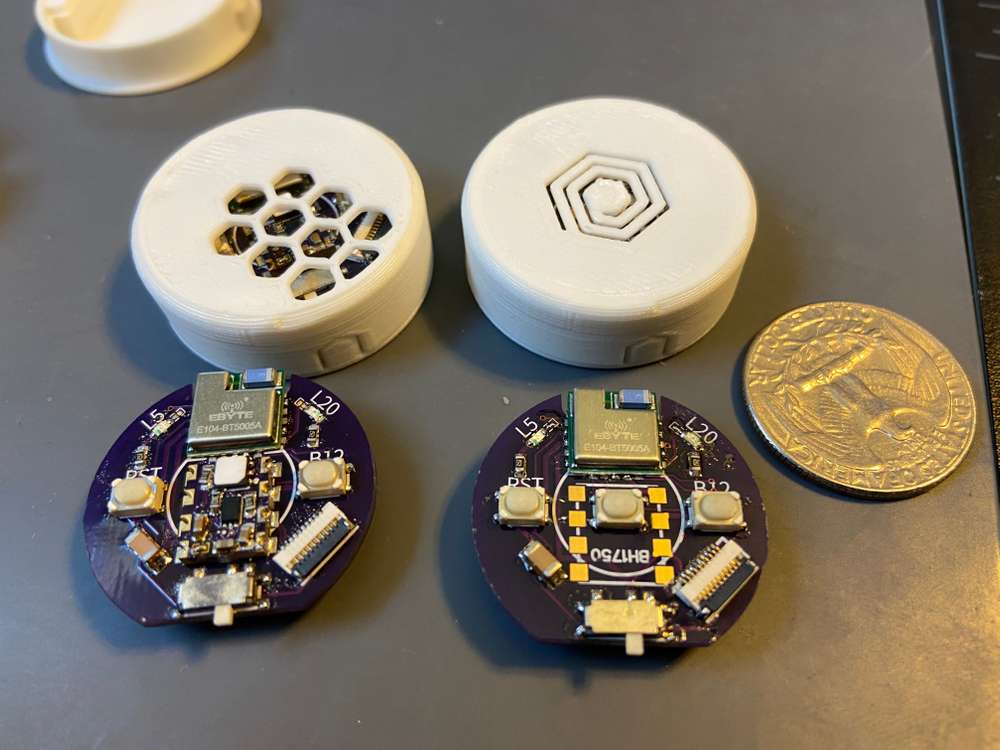
                                      Playing around with enclosure designs for my new node
                                      IMG_1327.jpg

                                      1 Reply Last reply
                                      3
                                      • BearWithBeardB BearWithBeard

                                        Winter time is tinker time!

                                        mysensors-epd-node-clean.jpg

                                        This is a compact environmental sensor node with an E-Paper display. My goal was to have a decent screen-to-body ratio with a simple and minimalistic display, easy to read from a distance. It is the first design in which I did not use an ATmega MCU. It is also the first time that I used KiCAD instead of EAGLE, soldered no-lead SMD components and worked with an EPD.

                                        • It features a SHTC3 sensor to measure temperature and relative humidity and a VEML6030 to measure the ambient light, so that I can toggle lights or other appliances in the room based on temperature, humidity or light conditions.
                                        • I have also added a MEMS sensor (LIS3DH) to auto-detect the device orientation and rotate the EPD image accordingly and / or detect tap events to toggle between different display modes / data sets.
                                        • It can be powered directly from a 3V source or use the optional 3.3V boost circuit which accepts 1.5V or 3V sources.

                                        I finished soldering and testing all the components today and just started programming the rough "framework". Looks promising so far! But still lots to do, including finalizing the 3D printed enclosure. This is how it is supposed to look in the end:

                                        mysensors-epd-node-render2.jpg

                                        skywatchS Offline
                                        skywatchS Offline
                                        skywatch
                                        wrote on last edited by
                                        #1023

                                        @BearWithBeard Very nice indeed!

                                        1 Reply Last reply
                                        1
                                        • N Offline
                                          N Offline
                                          ncollins
                                          wrote on last edited by
                                          #1024

                                          Sensor node on the left, button node on the right.

                                          IMG_1329.JPG

                                          1 Reply Last reply
                                          2
                                          Reply
                                          • Reply as topic
                                          Log in to reply
                                          • Oldest to Newest
                                          • Newest to Oldest
                                          • Most Votes


                                          19

                                          Online

                                          11.7k

                                          Users

                                          11.2k

                                          Topics

                                          113.1k

                                          Posts


                                          Copyright 2025 TBD   |   Forum Guidelines   |   Privacy Policy   |   Terms of Service
                                          • Login

                                          • Don't have an account? Register

                                          • Login or register to search.
                                          • First post
                                            Last post
                                          0
                                          • MySensors
                                          • OpenHardware.io
                                          • Categories
                                          • Recent
                                          • Tags
                                          • Popular